

3 things you need to get right when 3D printing gears
3D printing has transformed how engineers approach mechanical components, evolving from a simple prototyping tool into a robust solution for industrial manufacturing. Whether you are looking to purchase high-performance printing materials for your own production or utilize a custom 3D printing service to handle the fabrication for you, the flexibility of this technology is unmatched.
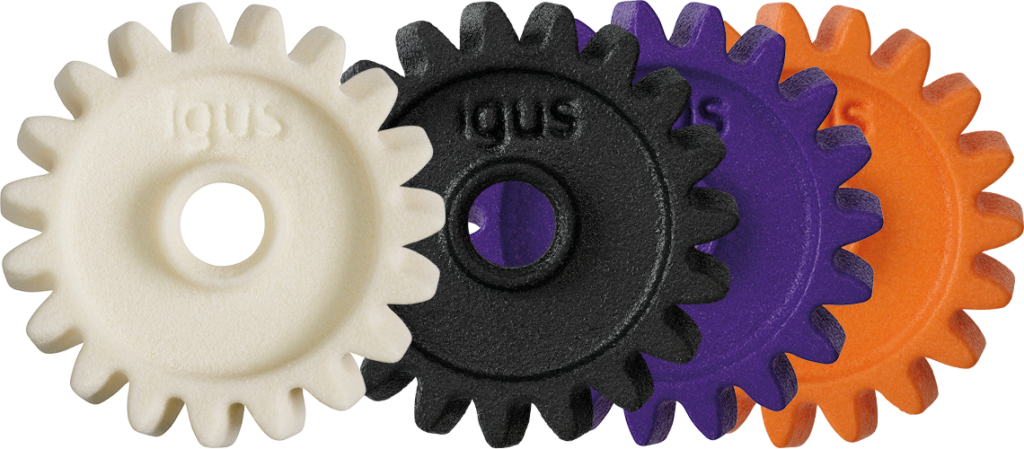
By opting for 3D-printed gears, businesses can significantly reduce lead times and costs associated with replacements, prototypes, and small-batch production runs. However, achieving industrial-grade reliability requires more than just a digital file; there are several fundamental technical basics you must master first to ensure your gears can withstand the rigors of real-world use.
Precision of the 3D model
High-quality 3D printing begins with a precise 3D model. Because a printer reproduces a file exactly as designed, you must model gears with care to ensure optimal performance. For the most accurate results, we recommend integrating an involute with a tooth root radius into your design.
Design precision and tolerances
To maintain durability and smooth operation, dimensions should be set to average tolerance. For example, a 10 mm square hole with a +0.2 mm tolerance should be modeled at 10.1 mm. While outer toothed profiles can be modeled to nominal size without extra clearance, internal toothed profiles require a gap of approximately 0.1 mm.
Efficient gear configuration
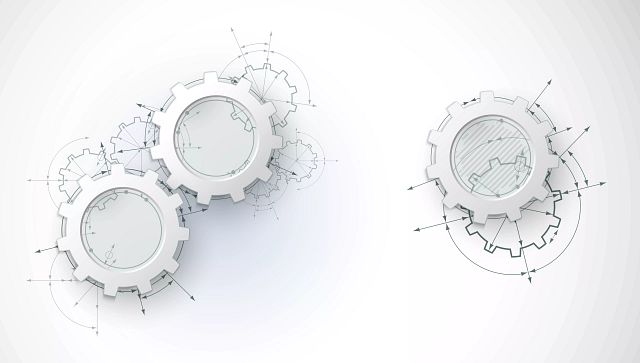
The igus® online CAD configurator allows you to design custom gears for free, no sign-up required. You can easily specify parameters such as:
- Tooth Module: starting from 0.5 mm
- Tooth Count: minimum of eight
- Dimensions: custom width and inner diameters
Once configured, you can select the material that best suits your application and place an order directly.
Reverse engineering services
If you need to duplicate a gear but lack a CAD file, simply send an intact sample to igus®. Our experts will use 3D scanning to create a digital model for you. Even if an intact sample isn't available, we may be able to design a replacement based on its mating partner.
Printing process: SLS vs. DLP
Choosing the right 3D printing process is a matter of balancing mechanical strength with dimensional resolution. While several technologies exist, selective laser sintering (SLS) and digital light processing (DLP) have emerged as the primary industrial standards, each serving a distinct role in gear production.
Selective laser sintering
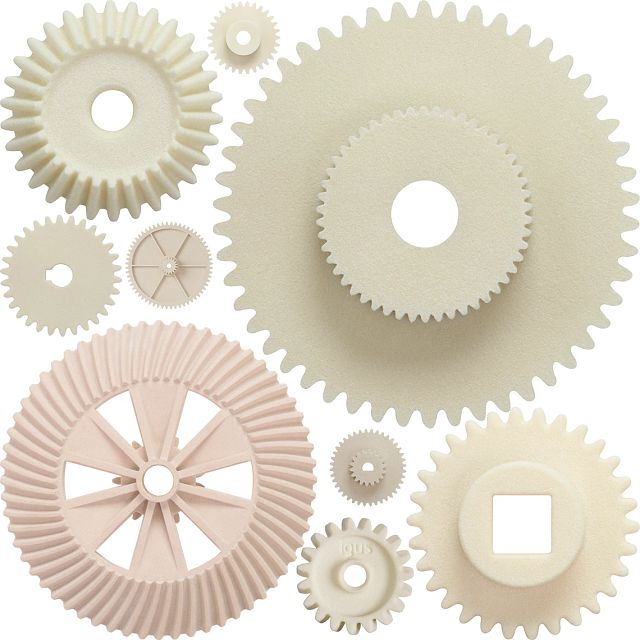
Selective Laser Sintering (SLS) functions as the industrial workhorse for power transmission. This process uses a laser to fuse powdered polymers layer by layer, creating parts that are inherently robust and capable of handling high mechanical loads. It is the ideal choice for most spur, bevel, and worm gears because it supports high-performance technical plastics like iglide® i3 and i6.
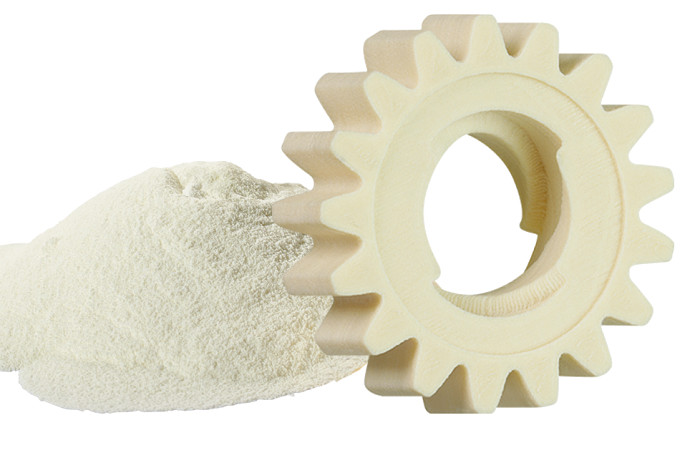
One of the greatest advantages of SLS is that the surrounding powder acts as a natural support, allowing for complex geometries and gear assemblies to be printed without the need for manual support removal, which could otherwise scar the tooth profile. If your application involves continuous movement or industrial-grade torque, SLS is almost always the superior option.
Digital light processing
Digital Light Processing (DLP), on the other hand, prioritizes extreme precision and surface quality. By using a light projector to cure liquid resin, DLP can achieve a level of detail that SLS powder cannot match. This makes it the go-to process for miniature gears with very fine modules or applications where a perfectly smooth surface finish is required to minimize initial friction. While DLP resins, such as iglide® i4000, are engineered for wear resistance, this method is best reserved for high-precision components where the "fineness" of the teeth is more critical than raw impact strength.
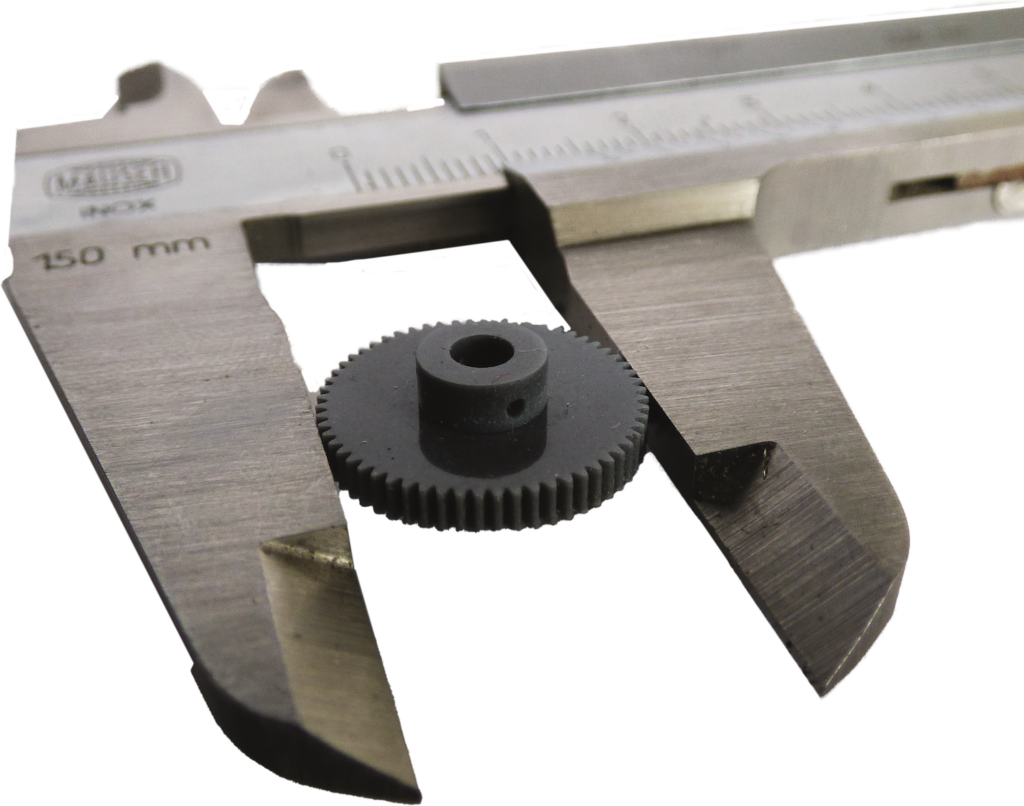
In short, the decision comes down to the scale and environment of your project. You should opt for SLS when you need a durable, maintenance-free gear for heavy-duty machinery, whereas DLP is the necessary solution for micro-mechanics and gears where every micron of tooth definition counts.
Learn more: igus 3D printing service
Selecting the proper material
Service life and material requirements vary significantly depending on the 3D-printed gear's application. To ensure longevity, it is essential to match the specific plastic to the mechanical demands of the gear type.
Material recommendations
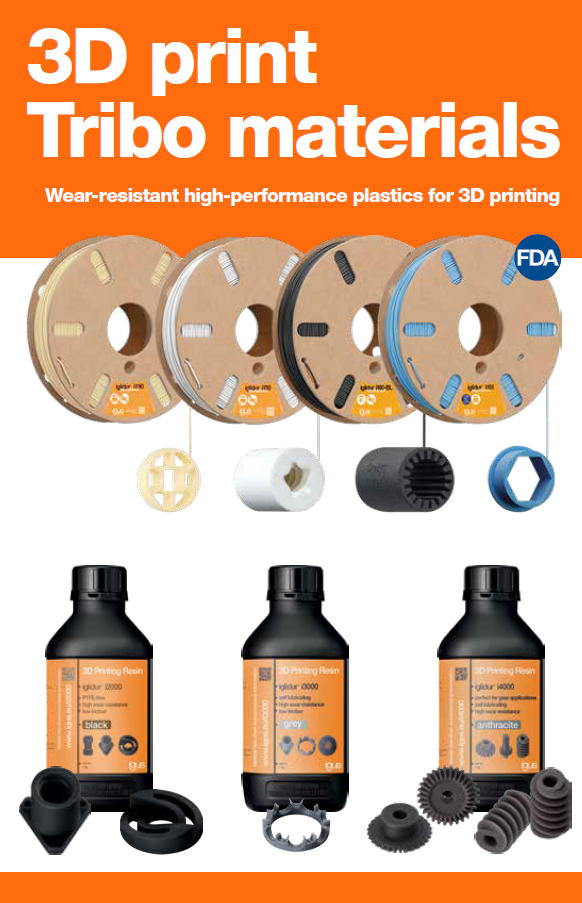
- iglide® i3 (SLS powder): Its high strength makes it ideal for spur gears and bevel gears.
- iglide® i6 (SLS powder): Features optimized gliding properties specifically for worm gears and is FDA-approved for food contact.
- iglide® i8-ESD (SLS powder): Designed for applications requiring electrostatic discharge (ESD) protection.
- iglide® i4000 (DLP resin): A wear-resistant resin perfect for high-precision, fine-tooth gears.
Performance and durability
Standard milled plastics like polyoxymethylene (POM) often fail prematurely in demanding environments. In laboratory endurance tests, worm gears made of iglide® i6 remained fully functional after one million cycles. In contrast, milled POM gears showed significant wear after only 321,000 cycles, with teeth blunting and eventually snapping at 621,000 cycles.
Further testing on rack-and-pinion setups confirms these results. When driven to the point of mechanical failure, 3D-printed iglide® gears lasted up to five times longer than their milled POM counterparts, offering a significantly more durable alternative for industrial applications.
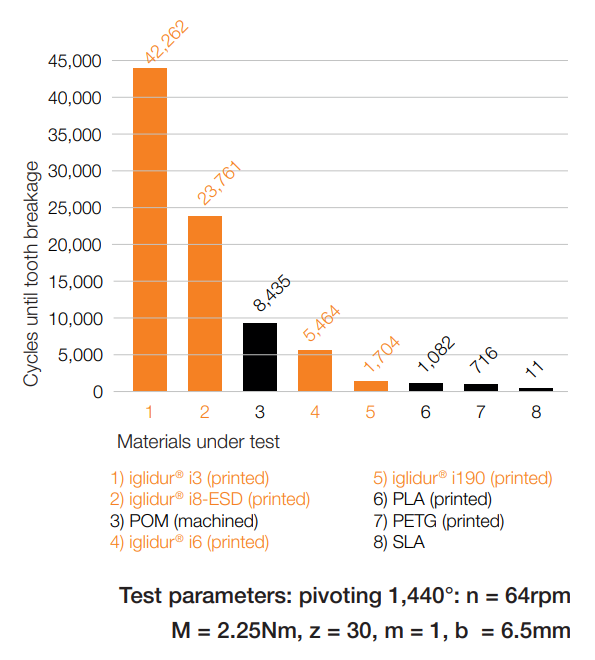
White Paper: igus® 3D printing materials vs. POM
Unsure of the right material for your application? Speak to an igus 3D printing expert for application assistance!
Service life calculation
Using improperly sized gears often leads to premature failure or unnecessary expenses. While oversized gears drive up costs, undersized gears lack the durability required for long-term operation.
To solve this, the igus® online gear service life calculator utilizes real-world data from our test laboratory to determine the ideal size for iglide gears. This tool calculates the estimated service life of a gear pair in hours, providing a reliable foundation for your project planning.
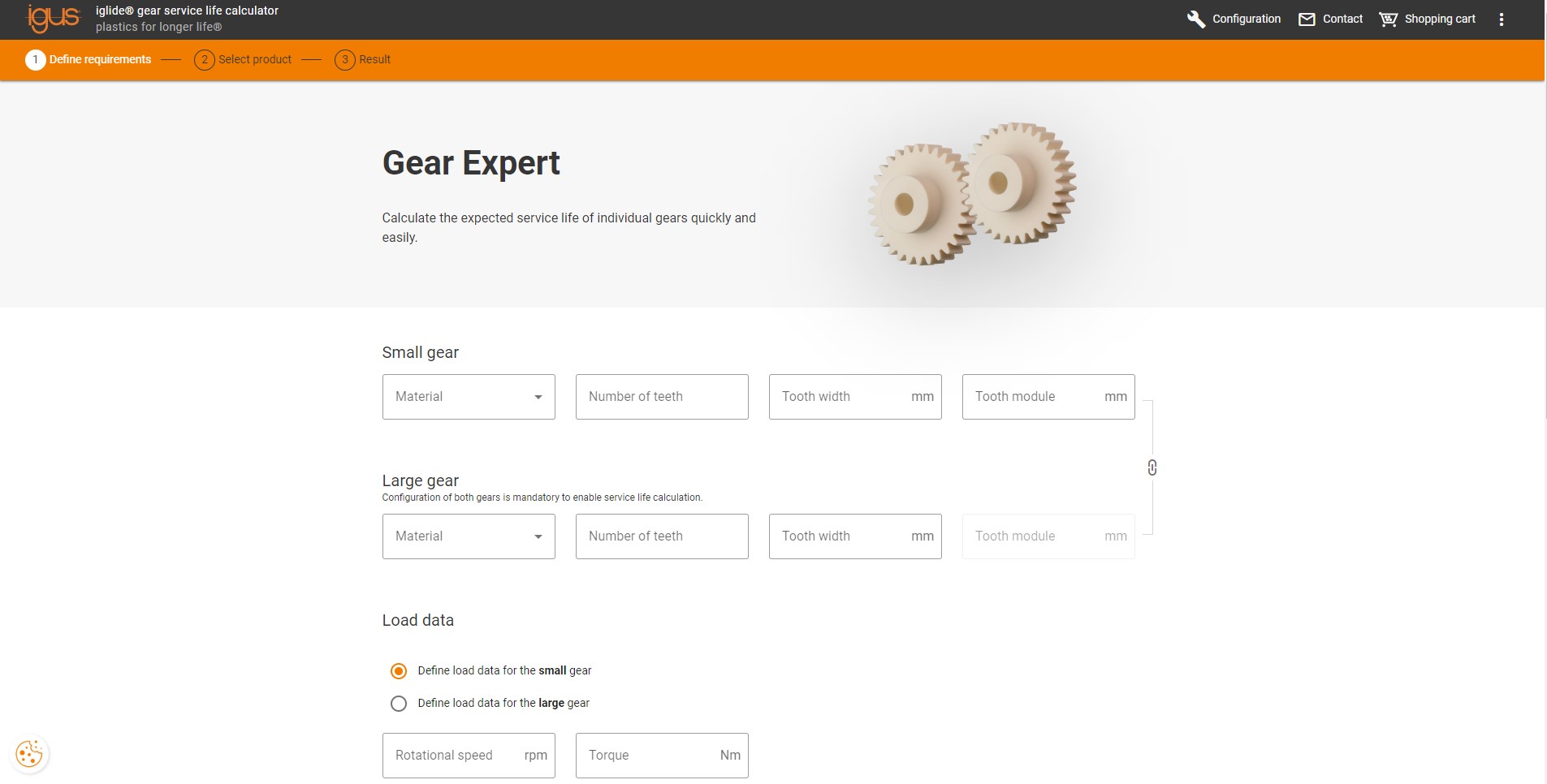
Data-driven planning
The calculator provides highly accurate results by factoring in your specific operating conditions, including:
- Speed and Torque
- Mode of Operation (e.g., continuous vs. intermittent)
- Application Temperature
This online tool is available free of charge and requires no registration, allowing you to optimize your design and ensure long-term reliability in just a few steps.
Conclusion
Getting these three elements right — precision, material, and process — transforms 3D printing from a prototyping tool into a robust manufacturing solution for gears. Laboratory tests prove that specialized materials like iglide® i6 can last up to one million cycles, outperforming standard POM gears by a factor of five.
Whether you are using the igus® online CAD configurator to design a custom module or the gear life calculator to predict performance based on your specific torque and speed, these resources ensure your project is built on a foundation of reliability. Optimized 3D-printed gears offer a durable, cost-effective, and high-performance alternative for even the most demanding industrial applications.