


The influence of temperature on polymer lead screw nuts
Lead screw drives are used in a wide variety of machines and industries, with each placing unique demands on the lead screw drives — high and low speeds, various loads, and wide temperature ranges spanning from under -100°F to over 350°F. Lead screw assemblies need to work reliably across all of these conditions.
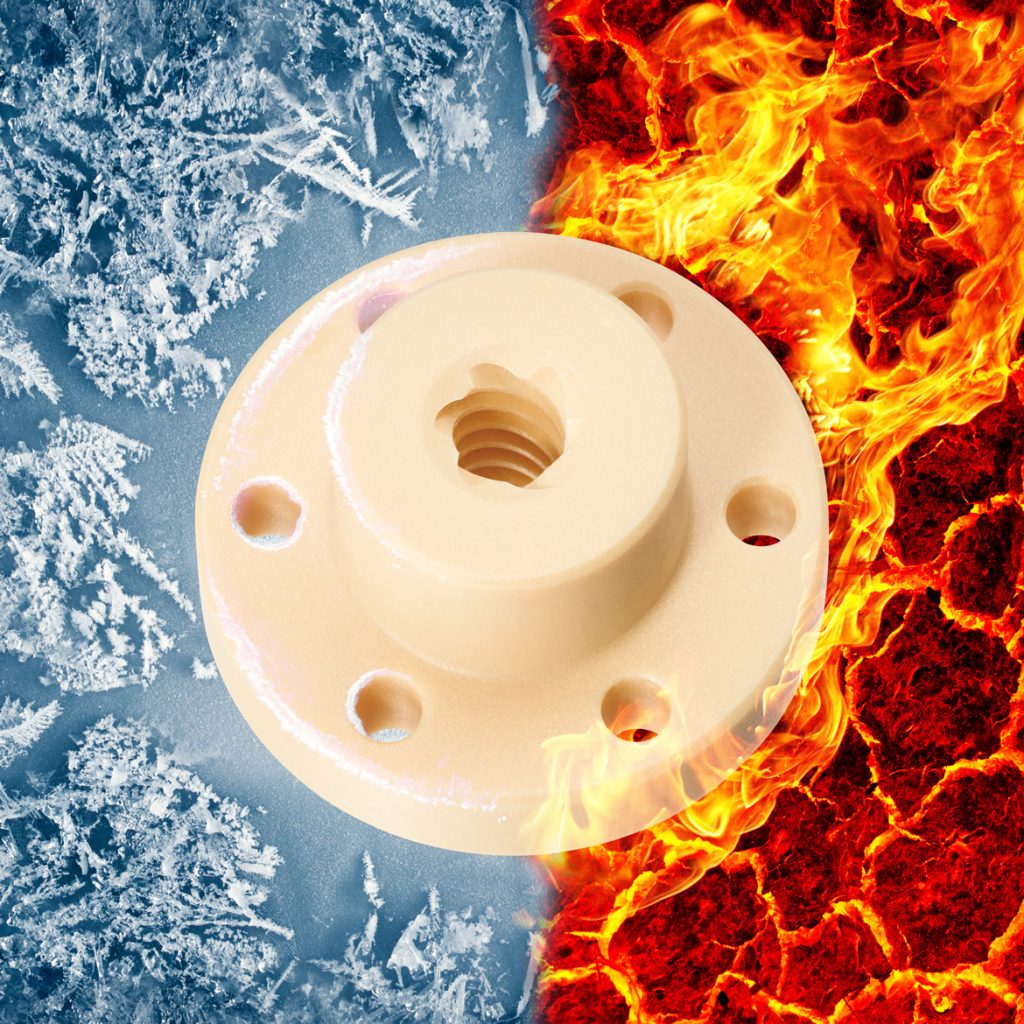
There are three major styles of lead screw drive: greased ball screw drives, greased metal lead screw drives, and dry-running polymer lead screw drives. The remainder of this blog will focus on dry-running plastic lead screw nuts made from iglide® materials.
The science behind plastics
Plastics are very long chains consisting of smaller parts (monomers). Monomers can be either linear or branched molecules, so that the individual structural parts in a polymer can be cross-linked or non-cross-linked. Depending on the degree of branching of the polymer, the final result is either a thermoplastic, duroplastic, or elastomer. The structure of the polymer thus has a significant effect on the temperature behavior of the plastic.
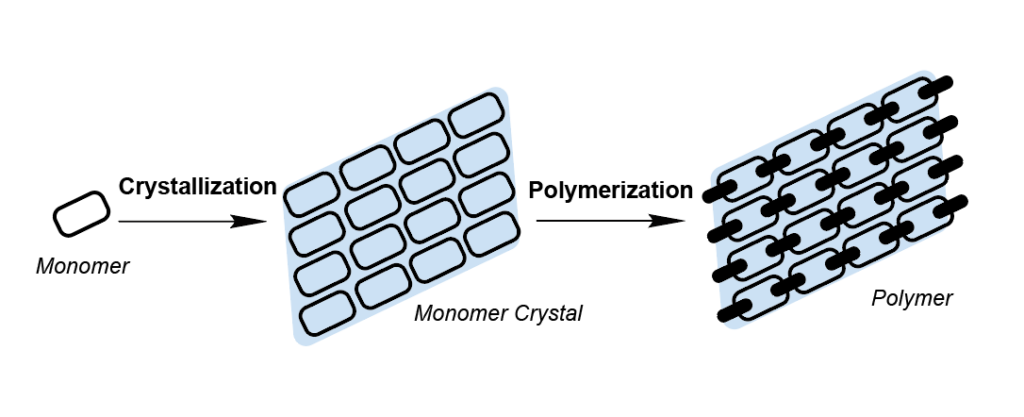
Even small differences in temperature can result in noticeable changes regarding mechanical specifications. Just like with other material types, plastics can be divided into those that become malleable during heating and those that don’t. Usually, this depends on the connection of the atoms or atom groups and the “linking” of individual polymer chains to a macromolecule.
When a thermoplastic is heated, it undergoes a specific structural change based on the two types of chemical bonds holding it together:
Secondary Bonds (Intermolecular): These are the weaker forces that hold separate polymer chains together. When you apply heat, these bonds are easily overcome, allowing the chains to slide past one another. This makes the material malleable and easy to reshape.
Primary Bonds (Intramolecular): These are the strong covalent bonds that hold the atoms within the individual chains together. These bonds are not meant to break during normal heating. If the temperature becomes high enough to break them, the damage is irreversible, and the material will chemically disintegrate or char rather than melt.
Therefore, selecting the right material for the lead screw nut plays an important role. Short-term temperature differences, such as those caused by harsh washdowns, should also be taken into account when selecting materials.
What exactly are thermoplastics?
Thermoplastics are polymers consisting of long linear or slightly branched polymer chains. The individual polymer chains are “linked” by means of Van der Waals forces of hydrogen bridges. These can become malleable when energy is supplied, usually in the form of heat or friction.
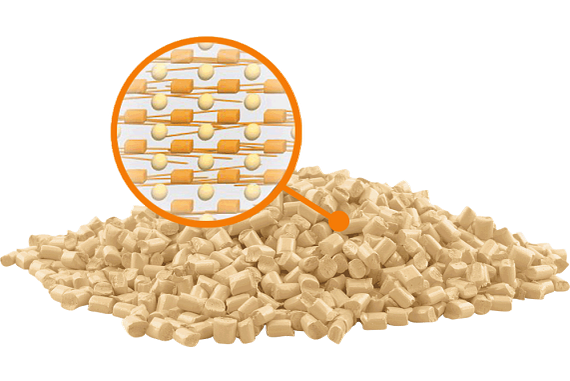
Consequently, they can be formed to the desired shape with different shaping methods. After the part cools, it keeps this new shape. This process is reversible, as the plastic can be reheated and reshaped back to its original form.
How are application temperature ranges defined?
There are three key temperatures that define material performance: minimum, maximum continuous, and maximum short-term temperature.
- Minimum temperature: The temperature below which the material is so rigid and hard that it becomes too brittle for standard applications.
- Maximum continuous temperature: The temperature a material can endure for a long period of time without the properties changing considerably.
- Maximum short-term temperature: The temperature above which the material becomes so soft that it can only withstand small external loads. “Short-term” is defined as a period of just a few minutes.
What temperatures can igus lead screw nuts withstand?
igus offers polymer lead screw nuts that work within high-temperature applications. For example, lead screw nuts made of iglide J350 can withstand long-term use at temperatures of up to 356°F.
However, lead screws need to be usable not only at high temperatures, but low temperatures as well. Lead screw nut materials from igus are intended for applications with temperatures as low as -148°F. igus experts are available to consult on applications where extreme temperatures are a concern and validate designs.
There are six different standard lead screw nut materials from igus. Each material is best suited for different applications with varied temperature ranges. Consult the table below to see what temperatures these materials are suitable for.
| iglide® J | iglide® J350 | iglide® R | iglide® A180 | iglide® E7 | iglide® J200 | |
| Max long-term temp. | 194°F | 356°F | 194°F | 194°F | 158°F | 194°F |
| Max short-term temp. | 248°F | 428°F | 230°F | 230°F | 194°F | 248°F |
| Minimum temp. | -58°F | -148°F | -58°F | -58°F | -58°F | -58°F |
Conclusion
Selecting the right polymer lead screw nut requires a careful evaluation of your application's specific thermal demands, as even minor temperature shifts can significantly alter a material's mechanical properties. Whether your system faces the extreme cold of -148°F or continuous heat up to 356°F, igus offers a variety of iglide materials, such as J350 and A180, designed to maintain reliable performance without the need for external lubrication.
By understanding the distinctions between minimum, continuous, and short-term temperature limits, you can ensure your lead screw assembly remains durable and efficient in any environment. For specialized designs or concerns regarding extreme temperature fluctuations, consulting with an expert can help validate your material choice and optimize the service life of your machinery.