
Why polymer rollers are replacing metal in packaging lines
As packaging lines push for higher speeds and 24/7 uptime, standard metal rollers are increasingly becoming a liability. If you’ve noticed your conveyor belts wearing down prematurely, or if you’re simply tired of the constant cycle of lubrication and cleaning, it’s time to take a look at the materials behind your rollers, and the options available to you.
Here is why engineers are making the switch from traditional metal rollers to high-performance polymer alternatives.
Extending the life of your conveyor belt
While rollers are vital, even more important is the conveyor belt. It’s often the most expensive component of the system to replace — both in terms of material cost and downtime. Choosing rollers that pair well with conveyor belts and won’t wear them prematurely is therefore essential.
Metal rollers generate heat and friction during standard use that can cause scuffing and other abrasive wear on the underside of the belt. This increased wear creates the need for more frequent replacements, driving up costs.
Optimized polymer rollers — such as those from igus® — are designed to minimize heat and friction generation while remaining durable and long-lasting. This helps protect the conveyor belt without compromising performance, significantly extending the life of the system.
Engineering seamless transitions with small-diameter rollers
The transfer point — the gap where one conveyor belt ends and another begins — is often the weakest link in conveyor systems. To ensure that small, delicate, or lightweight products remain upright during processing, engineers require a tight deflection radius.
This is where igus polymer rollers truly outshine their metal counterparts. Because high-performance polymers can be engineered into extremely small diameters while maintaining structural integrity, they allow the belt to wrap around a very sharp point. This creates a nearly seamless transition between conveyor stages, ensuring that even the smallest items — like individual tea bags or tiny cosmetic components — glide across the line without interruption.
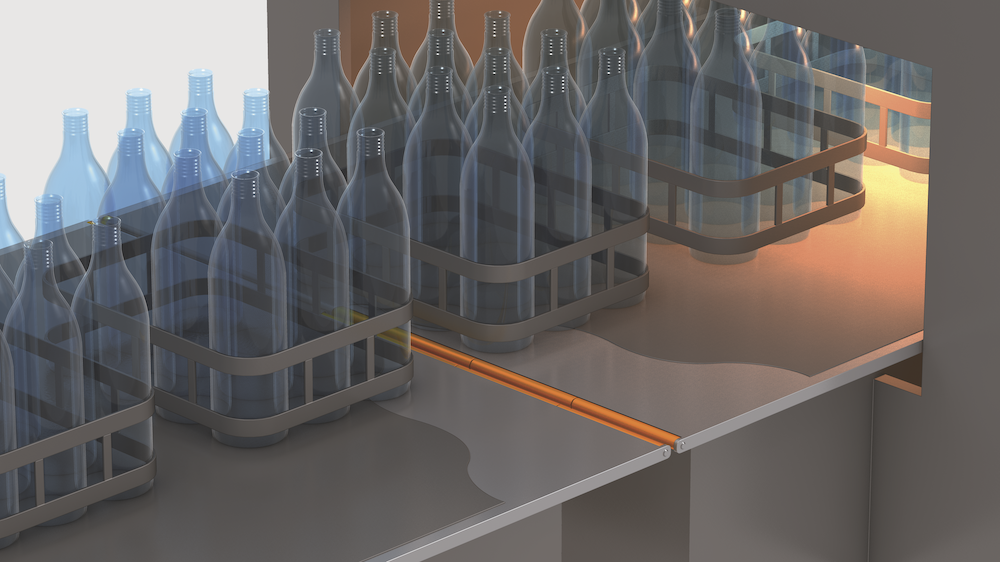
Beyond just the physical dimensions, the knife edge application presents a unique friction challenge. When a belt wraps tightly around a small-diameter roller, the surface pressure and heat generation increase significantly. Traditional metal rollers in these tight spots often require complex needle bearings that are prone to failure or require constant oiling. In contrast, polymer knife edge rollers are manufactured from low-friction, wear-resistant materials that thrive in these high-pressure zones. They facilitate a smooth, quiet rotation without the need for external grease, allowing you to achieve those necessary tight turns without sacrificing the longevity of your hardware.
Eliminating maintenance and contamination risks
Traditional metal bearings and rollers require constant, consistent lubrication to prevent seizing. In a packaging environment, this creates two major headaches:
- Frequent maintenance: Time and energy needs to be spent relubricating hundreds of individual roller points.
- Contamination risk: Grease can potentially leak from componentry and contaminate products — a significant hazard, especially in food packaging.
Polymer rollers from igus are dry-running, meaning they don’t require any grease to operate smoothly. Dry lubricants within the material are released during standard operation, keeping the roller adequately lubricated over its entire service life. This also eliminates the need for routine maintenance, freeing up workers to focus on more valuable tasks.
Safety and compliance: FDA standards
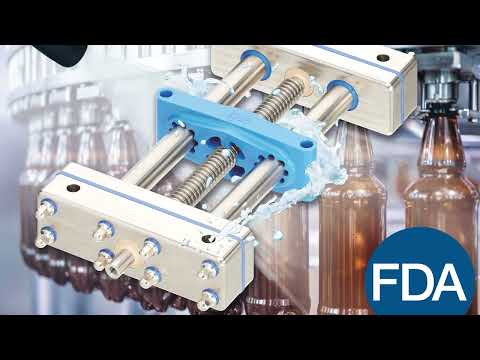
In food, beverage, and pharmaceutical packaging, maintaining the utmost level of cleanliness is a requirement. Components need to not only have a hygienic composition that meets FDA requirements, but also resist corrosion and rust — which can be the result of frequent washdowns intended to keep the packaging line clean.
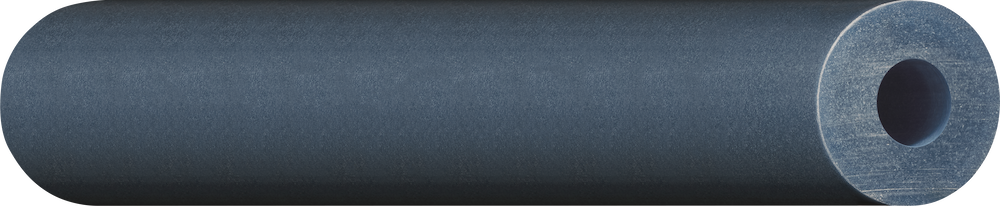
Polymers outshine metal in this area. Not only are many different FDA-compliant polymers available — there are four such roller materials available from igus — but polymers do not corrode at all. Even when faced with harsh washdowns and frequent use, polymer rollers will continue to perform at their best.
White Paper: Plastic belt rollers for food production
Conclusion
The shift toward polymer rollers is a strategic move toward higher efficiency and reduced total cost of ownership. By eliminating the need for external lubrication and minimizing the friction that wears down conveyor belts, high-performance polymers solve the inherent weaknesses of traditional metal rollers.
Whether you are trying to perfect a knife edge transfer for delicate goods or simply want to ensure your line meets strict FDA compliance without the risk of grease contamination, polymer rollers provide a maintenance-free, durable solution. Switching to these engineered materials allows your facility to maximize uptime, protect your most expensive system components, and keep your packaging line running smoothly for years to come.