

Achieve durable, low-friction surfaces with polymer powder coatings
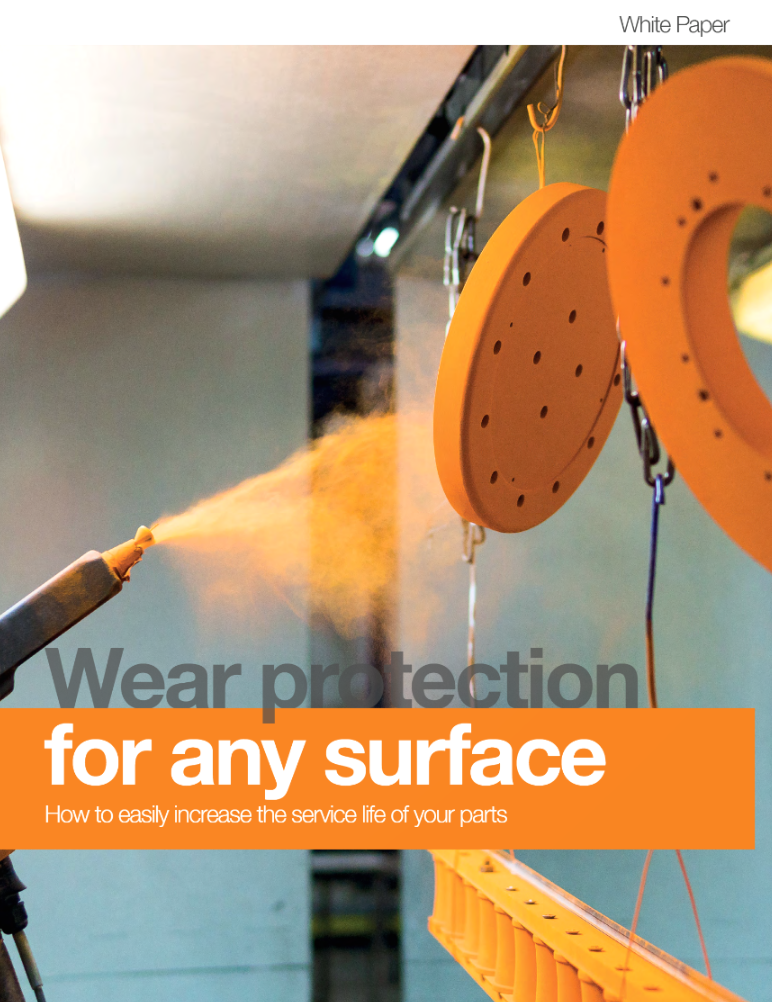
Powder coating (also known as powder lacquering) is a finishing process where dry powder can be applied to conductive materials through electrostatic charging. The component to be coated is charged, and the powder is applied using a spray gun, adhering to the component and creating a uniform layer. The coating is then cured by heat, with a dwell time of 5–30 minutes depending on the component and material.
Layer thicknesses of powder coatings
A layer thickness of about 60 – 120µm is standard. However, depending upon application requirements, a higher layer thickness may be needed — as much as 500µm in some cases. This provides a thicker wear layer to better protect the coated component.
Preparing the surface for coating
For preparation, the substrate must be free of grease, oils, release agents and drawing agents as well as dirt, corrosion products, and other contaminants. Pretreatments to prepare for blasting, roughening, phosphating, descaling, etc. can contribute to better adhesion.
The finish of a coating — whether rough or smooth — is primarily determined by the specific powder used and the thickness of the applied layer. Standard measurement methods are currently unable to accurately quantify the roughness of these coatings.
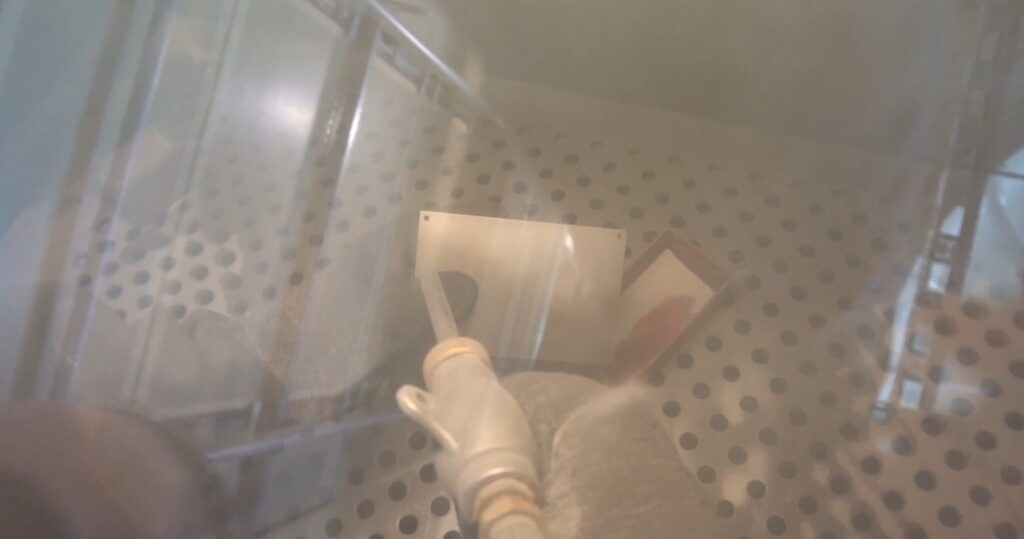
However, for polymer coatings, initial surface roughness typically does not compromise performance; as the material cures and shrinks, it maintains a favorable coefficient of friction. If a specific finish is required, the surface can also be post-processed through methods such as polishing.
Component design for powder coating
For components with 90° corners, care needs to be taken to avoid edge thinning. This is a common phenomenon where the powder coat will be thinner at the edges than the rest of the component. This can be counteracted by rounding the edges of the corner to allow powder to adhere more effectively.
Having holes in the component that allows it to be suspended is also helpful for the coating process. When a component is suspended via a hook or wire through a designated hole, the entire surface area remains accessible. Without these points, parts must be placed on racks or "beds," which creates contact marks that become potential sites for corrosion.

If holes are created, use the following rule of thumb: a 10mm hole diameter can be coated up to a depth of 10mm, a 20mm diameter can be coated up to 20mm depth, etc. up to approximately 30mm. This is due to the spray gun and the charging of the component.
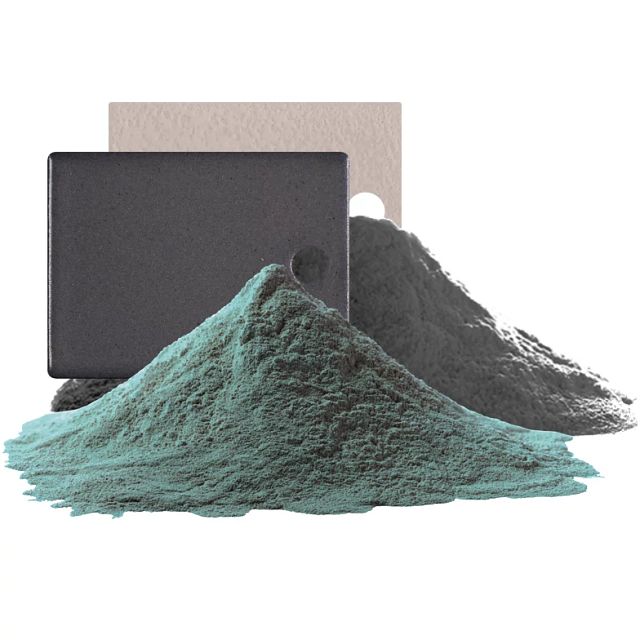
igus® powder coating materials
igus offers various powder coating materials, each offering exceptional wear properties and the same self-lubricating performance standard igus materials offer. In addition to three standard materials, igus also offers two FDA-compliant options — perfect for use in the packaging and food processing industries.
Conclusion
Ultimately, achieving a high-quality powder coating finish depends on both material selection and thoughtful component design. Whether you require standard industrial protection or FDA-compliant solutions for food processing, selecting the right material and designing the component to complement the coating process are key to long-term performance.