
Replacing pneumatics with electric linear motion systems
Pneumatic systems have powered industrial automation for decades, moving everything from pick-and-place units to packaging machinery and assembly equipment. They are familiar, proven, and easy to source. But as manufacturers push for tighter efficiency, lower operating costs, and smarter automation, many are taking a hard look at what compressed air actually costs them — and switching to electric linear motion instead.
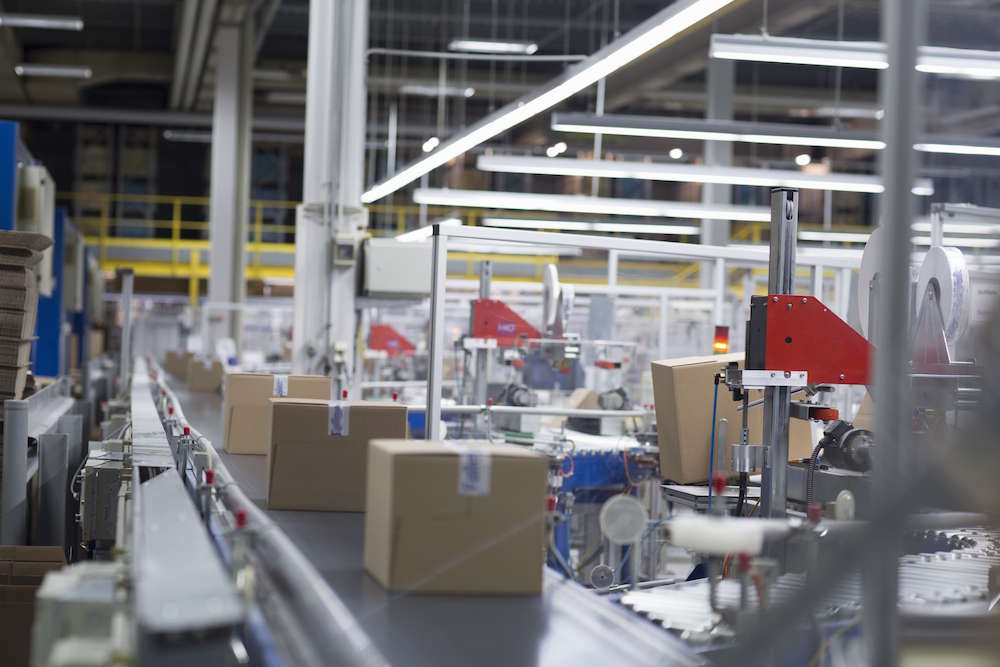
By pairing drylin® linear actuators with electric motors and controllers, manufacturers can improve precision, cut energy use, reduce maintenance, and build quieter, cleaner machines. Here is why electric linear motion is becoming the preferred alternative to pneumatics in modern manufacturing.
Why manufacturers are moving away from pneumatics
Pneumatic systems have a hidden side. Compressed air is one of the most expensive utilities in a plant, and much of it never does useful work — it escapes through leaks, drops off across long runs of tubing, and demands a compressor that runs whether or not a cylinder is moving. Add the noise, the regular maintenance, and the limited control over where a cylinder actually stops, and the drawbacks start to add up.
At the same time, what manufacturers need from automation has changed. Lines now call for precise positioning, programmable motion, and consistent results, with as little downtime and wasted energy as possible. Electric linear motion answers those needs directly: it offers repeatable control, lower running costs, easier integration with modern automation, and, in many cases, maintenance-free operation.
Energy efficiency: electric vs. pneumatic systems
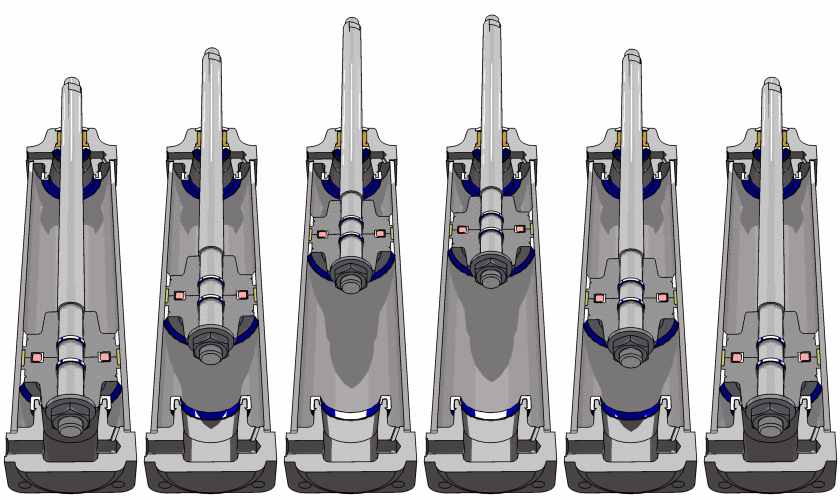
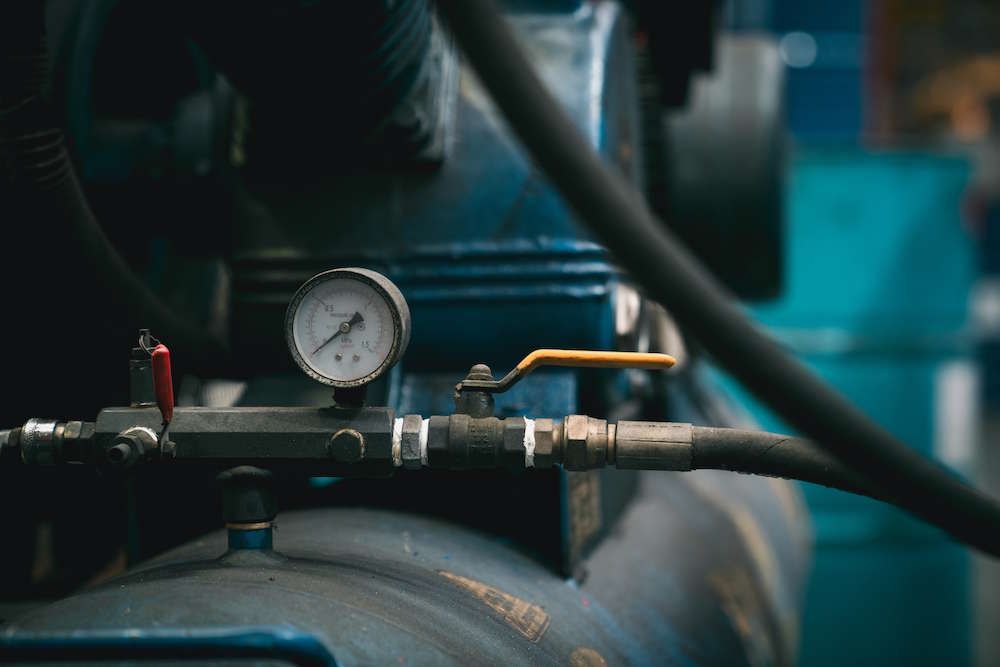
Energy is where the gap between the two technologies is clearest. Generating compressed air is inefficient by nature. A decent share of the electricity a compressor consumes is lost as heat before any of it reaches a cylinder, and leaks and pressure drops chip away at what remains. Worse, the compressor often keeps running through idle periods, so you pay for air you never use.
Electric actuators work differently. They draw power mainly while they are moving and settle into a low-draw state when they are not, which trims idle waste and lowers overall consumption. Over the life of a machine, that difference shows up in real ways: smaller utility bills, less compressor infrastructure to buy and maintain, and a lighter load on the facility as a whole.
Quieter machines through electric motion
Anyone who has stood next to a busy pneumatic line knows the sound: the constant hum of the compressor and the sharp hiss every time a cylinder exhausts. That noise is more than a nuisance. In many workplaces it is a real factor in operator comfort and, at higher levels, in compliance.
Electric motion removes much of it at the source. There is no exhaust to vent and no compressor cycling in the background. drylin® linear systems add to the effect with self-lubricating polymer bearings that glide rather than grind, keeping vibration and running noise low. The payoff is a noticeably calmer machine — which matters most in settings like packaging lines, laboratory and medical equipment, collaborative robotics, and office automation, where quiet operation is part of the job.
The precision advantage of electric linear motion
Pneumatic cylinders are good at one thing: moving from one end of their stroke to the other. Ask them to stop accurately somewhere in between, hold a steady speed, or repeat a position to the same point every cycle, and their limits show. Air is compressible, so the exact stopping point can drift with load and pressure.
Electric systems give you that control back. Paired with stepper or brushless DC electric motors and a controller, an electric actuator can be programmed to move to specific positions, hold a set speed and acceleration, and repeat the same motion reliably across thousands of cycles. That repeatability translates directly into steadier product quality, more consistent cycle times, and the flexibility to adjust a process in software rather than out on the shop floor.
Integrating motors and controllers
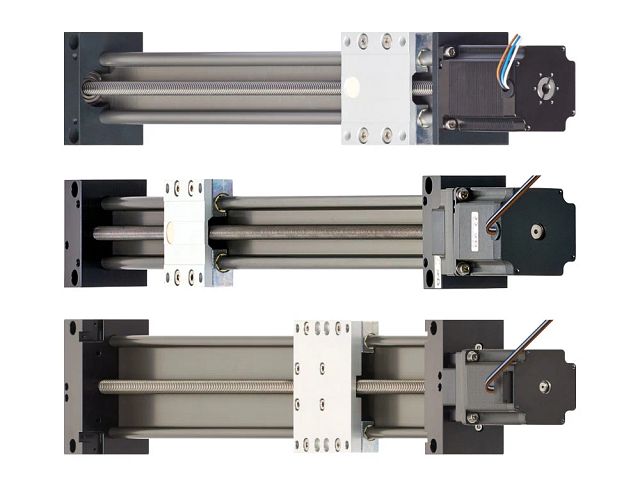
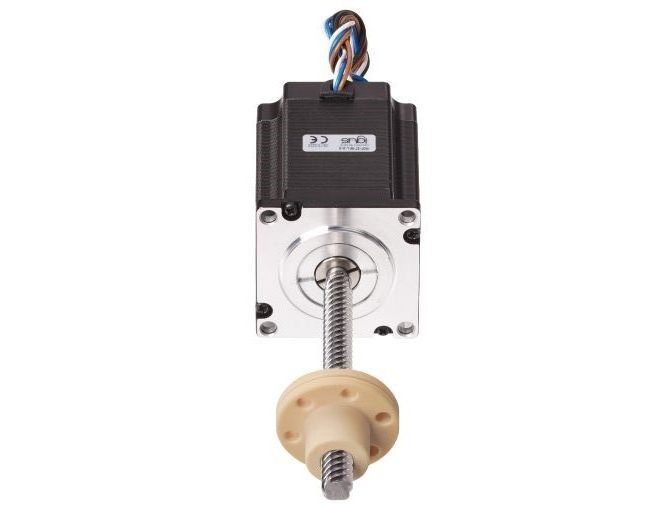
Switching to electric motion does not have to mean redesigning a machine from scratch. An electric linear system is built from a few familiar building blocks: an actuator (lead-screw-driven for higher force, belt-driven for higher speed), a motor, and a controller. The motor type follows the task — stepper motors for precise positioning, DC motors for simple and cost-sensitive moves, and brushless DC motors for fast, demanding ones.
This is where a modular approach helps. drylin® actuators are designed to be lightweight, compact, and ready to pair with matching motors and controllers, so the mechanics and electronics fit together without custom engineering. From there, the system connects into the wider automation environment — working with a PLC, accepting motion commands, and feeding back position data — so it behaves like any other axis on the line.
The ROI of switching to electric motion
The smartest way to think about electric motion is not "electric good, pneumatic bad" — it is a question of how hard the actuator works. The more often it cycles, the more an electric system pays off; the less it moves, the better pneumatic holds its ground. Getting that distinction right is what makes the business case credible.
Energy is the clearest example. A pneumatic actuator's running cost is tied to compressed air, and compressed air is only worth what survives the trip from the compressor to the cylinder. In plants that are not actively managing for it, the U.S. Department of Energy estimates that about 30% of the compressed air produced for production is lost to leaks before it does any useful work. Modern components and monitoring can shrink that — but the savings are real and often unclaimed: a 2024 study from TU Dresden found that a single optimization on a typical pneumatic system could cut its energy use by up to 71%, with payback in under two years. The point is not that pneumatics is hopeless; it is that most installed systems still leave money on the table, and that gap widens the more the system runs.
That is why duty cycle is the deciding factor. For an actuator that cycles a few times a day, energy costs are negligible and the lower upfront price of pneumatics usually wins over the life of the equipment. For an actuator running thousands of cycles a shift — the norm on packaging, assembly, and material-handling lines — those small per-cycle differences compound quickly, and these higher-duty-cycle cylinders are exactly the ones worth targeting for replacement. In that kind of service, a frequently serviced pneumatic cylinder swapped for a longer-lived electric actuator can recover its higher purchase price within about a year.
Maintenance follows the same logic. Pneumatic cylinders rely on seals that wear and need replacing, along with regular lubrication, so heavy duty cycles mean more frequent service and downtime — while electric actuators, and self-lubricating drylin® components in particular, are built to run with little or no upkeep.
None of this makes pneumatics the wrong choice everywhere. For low-cycle duty, very high force, or applications that need to fail safe during a power loss, compressed air still makes good sense, and it can ride through outages on stored air without extra hardware. The takeaway is simpler than a blanket verdict: match the technology to how the machine actually works, and for high-cycle, precision-driven automation, that increasingly points to electric
Applications making the switch
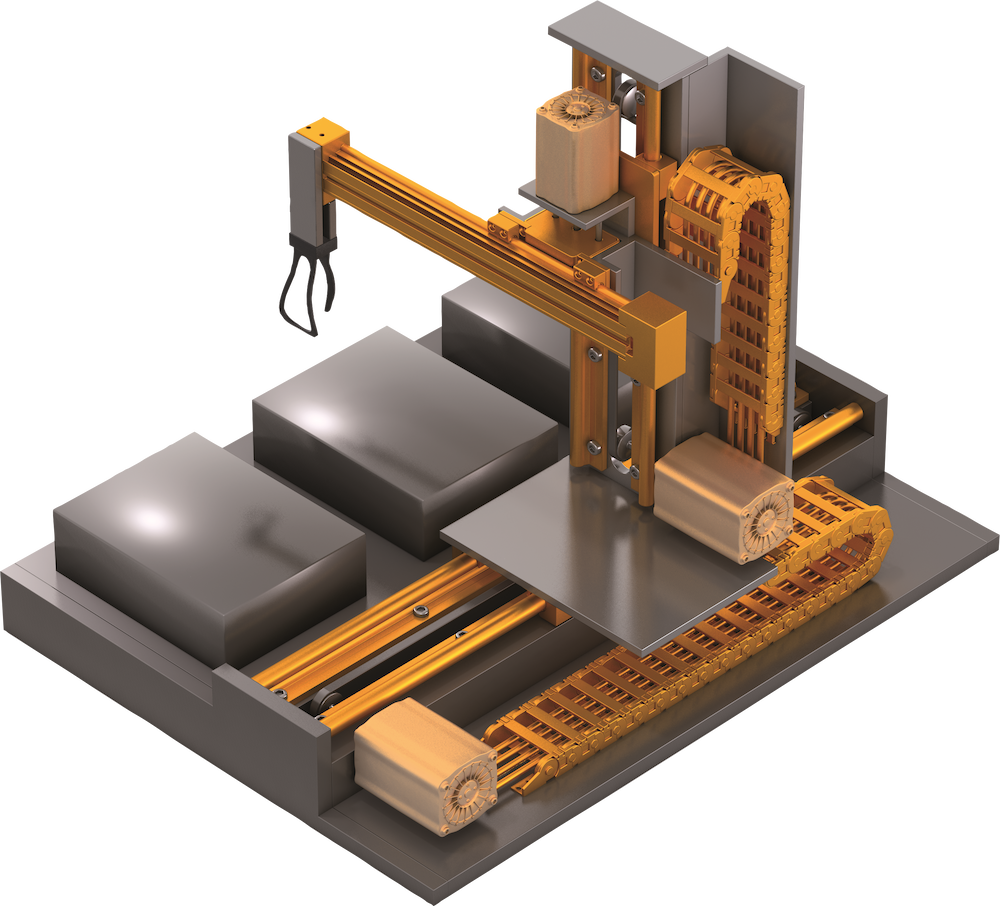
Electric motion is already replacing pneumatics across a wide range of work. A few places where it fits especially well:
- Packaging automation: product handling, labeling, and carton positioning, where speed and quiet operation are vital.
- Industrial assembly: pick-and-place stations and automated tooling adjustments that benefit from precise, repeatable motion.
- Material handling: conveyor positioning and sorting systems that run long hours and reward lower energy use.
- Laboratory and medical equipment: clean, quiet, accurate motion in environments where compressed air is awkward to route and maintain.
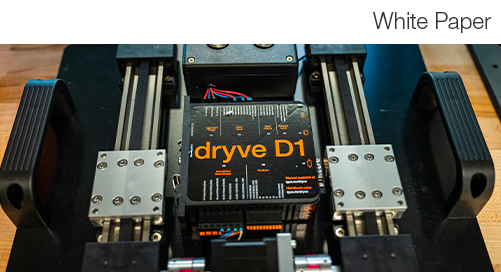
White Paper: Hygienic, grease-free drylin® systems for food and medical applications
Is it time to replace your pneumatic system?
Not every application needs to change, but a few signs suggest yours might benefit: high maintenance costs, excessive noise, persistent air leaks, inconsistent positioning, or energy bills that keep climbing.
If those sound familiar, a handful of questions will tell you whether electric motion is the right move:
- How much positioning precision does the application really require?
- What are the environmental conditions — clean, wet, dusty, or washdown?
- How heavy is the duty cycle, and how many hours will the system run?
- What will it cost to operate over its entire service life, not just to install?
Answering those questions honestly usually points to a clear solution.
The bottom line
As manufacturers keep chasing efficiency, flexibility, and reliability, electric linear motion has moved from a niche choice to a mainstream one. Combining maintenance-free drylin® actuators with electric motors and controllers lets you cut energy use, lower maintenance, sharpen positioning, and build quieter machines — often all at once.
For a growing number of applications, replacing pneumatics with electric motion is no longer just an upgrade. It is a practical investment in how well your operation runs for years to come.
.gif)